
Why Modern Humans Are Losing Themselves
MISSION
Tomas G.
4/29/20262 min read
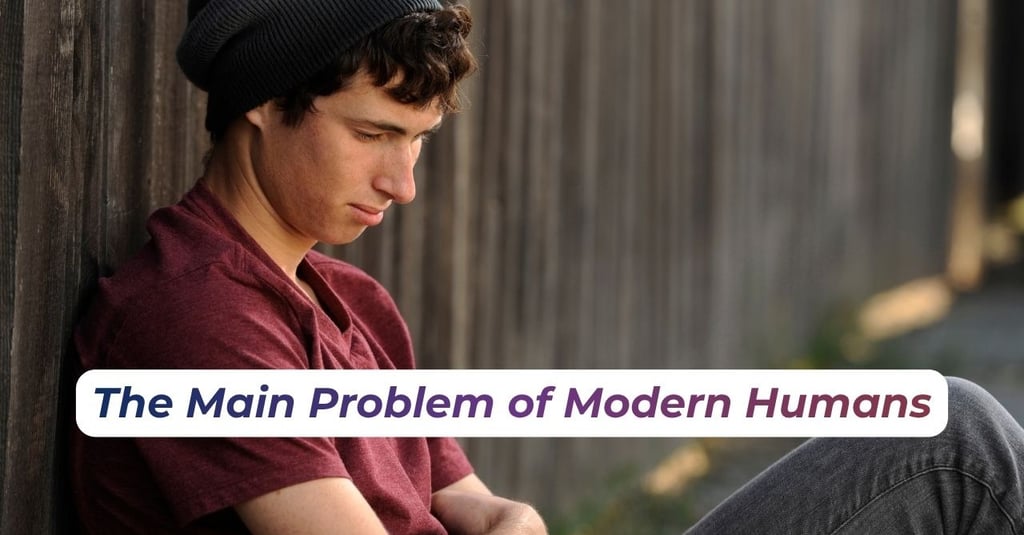

What is the main problem of modern humans?
Tomas:
The fundamental problems of modern humans are not very different from the challenges of the past. While external, material life continues to develop, internal psychological and spiritual issues remain the same — and in many cases, they deepen. The greatest problem of modern humans is a lack of self-awareness and complete immersion in the world of external sensations and sensory stimuli. Bipolar disorder, with its cycles of mania and depression, is perhaps the clearest example of this. Ancient Egyptians referred to it as “the wavering of the soul” — an eternal human problem. The only difference today is that the human soul “waves” even more intensely.
Ancient Eastern yogic teachings state that a lack of control over the senses is one of the greatest human problems, while ancient Egyptian teachings emphasize that emotional instability — anxiety — is an eternal challenge. In modern terms, this is called stress and depression, with the common denominator being nervous system tension.
Studies from the Rome Club have shown that humanity lives in information bubbles that block a broader perception of reality. People tend to choose information that confirms their existing beliefs, which narrows their worldview and limits their ability to accept alternative perspectives. This creates a deep imbalance both on an individual and societal level.
Problems of modern humans
1. Psychological–spiritual problems
Lack of self-awareness: Modern humans often do not understand their true nature, which leads to inner dissatisfaction and prevents a sense of fulfillment. Modern education, while developing rational thinking, often ignores inner growth.
Low self-esteem and lack of self-worth: People with low self-esteem struggle to form authentic relationships with others, which increases loneliness and limits the ability to experience joy in life.
2. Societal problems
Impact of technology: The abundance of technology, especially smart devices, often prevents people from communicating in person. As a result, they increasingly choose virtual communication, which leads to social isolation and emotional distance.
Lack of originality and imitation of ideas: In modern culture, it is common for people to adopt others’ ideas and creativity, which limits true originality. As a result, culture becomes superficial, lacking authenticity and depth.
3. Addictions
Alcohol and drug addiction: Although addiction has long been a known problem, it remains highly relevant due to the increasing availability of substances. Addictions often reflect a deep inner emptiness and an inability to cope with it.
Imbalance and its consequences
Modern humans experience a significant emotional, physical, and informational imbalance. People swing between euphoria and depression, constantly pursue material goals, and consume excessive amounts of information that only increases stress and feelings of loneliness. At the same time, even though they live among others, they often feel isolated and disconnected from the meaning of life.
This phenomenon can be described as external egoism and neglect of inner development, resulting in a spiritual and psychological sense of emptiness.
Spiritual deficit
Modern society lacks true spirituality — not only in the form of meditation or spiritual practices, but also in knowledge and experiences that help a person grow and cope with contemporary challenges. Only authentic spiritual development can restore inner balance and provide deep psychological and spiritual well-being.
Modern humans face many challenges, but the essential source of them is the imbalance between external life and inner self-awareness. To improve quality of life, it is necessary to strengthen self-worth, develop self-awareness, and pursue genuine spirituality.